

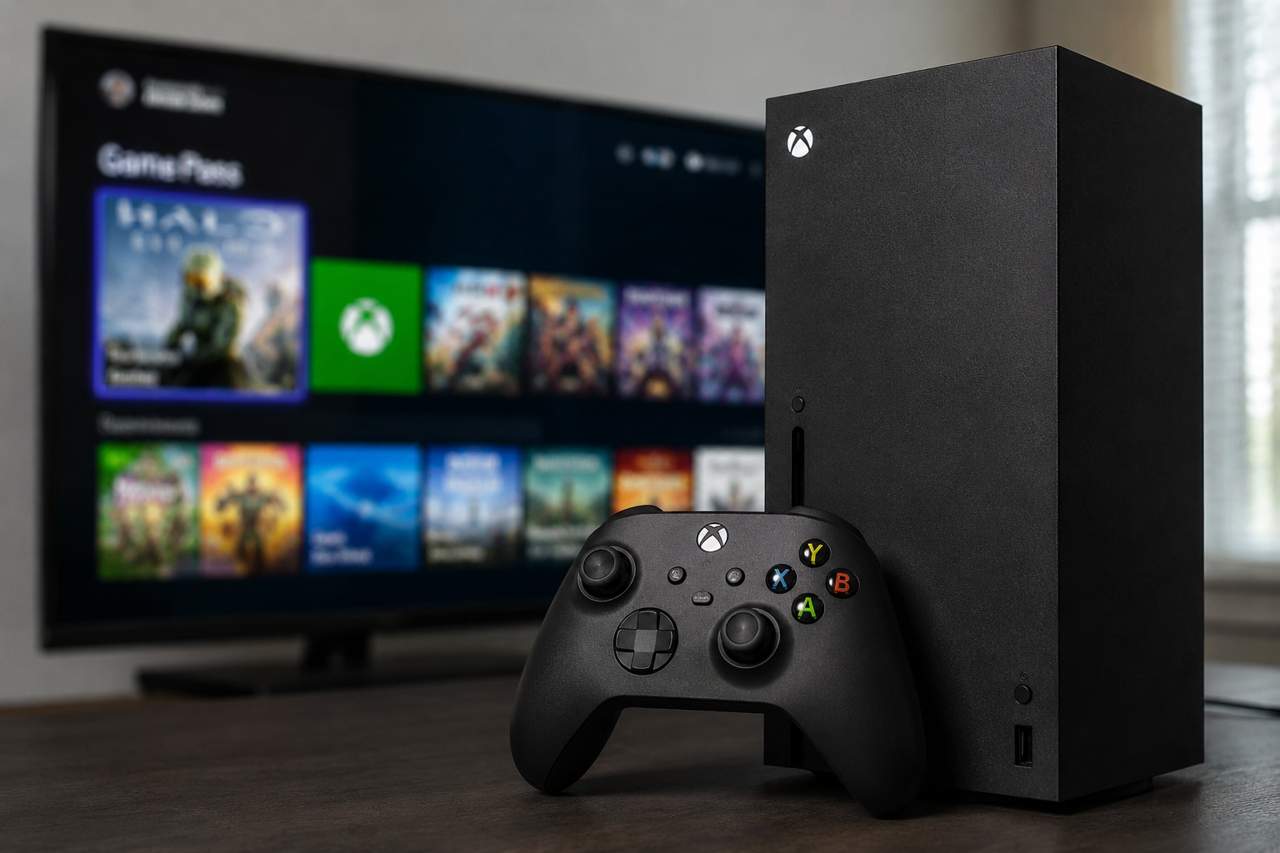
Microsoft is backing away from plans to integrate its AI-powered Copilot assistant into Xbox consoles, marking a significant change in direction for the company’s gaming division. The decision comes as Xbox leadership works to rebuild trust with players and developers while refining the company’s long-term strategy in the increasingly competitive gaming market.
Xbox Ends Copilot Development for Consoles and Mobile
Microsoft Gaming CEO Asha Sharma confirmed Tuesday that the company will discontinue development of Copilot for Xbox consoles and begin winding down the feature on mobile devices as well.
In a post shared on X, Sharma said the move is part of a broader effort to streamline Xbox operations and focus on products that better align with player expectations.
“Xbox needs to move faster, deepen our connection with the community, and address friction for both players and developers,” Sharma wrote.
She also announced leadership changes within Xbox, saying the company had promoted longtime Xbox leaders while bringing in new executives to help guide the business forward.
“This balance is important as we get the business back on track,” Sharma said. “As part of this shift, you’ll see us begin to retire features that don’t align with where we’re headed. We will begin winding down Copilot on mobile and will stop development of Copilot on console.”
Positive Reaction From Xbox Players
The announcement was met with largely positive reactions across gaming communities and social media platforms.
Some Xbox users had expressed concern that Sharma’s background in artificial intelligence could lead to deeper AI integration across Microsoft’s gaming products. Before taking over Xbox, Sharma served as president of Microsoft’s CoreAI division, a major part of the company’s broader AI strategy.
Critics of AI features in gaming have argued that automated assistants and generative tools could interfere with gameplay experiences or reduce the human-driven creativity that defines modern game development.
Sharma previously addressed those concerns directly, stating that Xbox remains committed to human-led game creation.
“Games are and always will be art, crafted by humans, and created with the most innovative technology provided by us,” she said in an earlier statement.
Leadership Transition Continues at Xbox
Sharma became CEO of Xbox following the departures of longtime gaming executives Phil Spencer and Sarah Bond in February.
Her appointment marked a major transition for Microsoft’s gaming business, which has faced mounting pressure to compete with rivals including Sony’s PlayStation and Nintendo while also adapting to changes in cloud gaming, subscription services, and PC integration.
Since taking over, Sharma has emphasized what she describes as “the return of Xbox,” focusing on rebuilding confidence among developers and longtime fans of the brand.
Although she entered the role without prior experience in the video game industry, Sharma has repeatedly said she intends to better understand the Xbox ecosystem and its community-driven culture.
Project Helix Remains Central to Microsoft’s Gaming Future
Despite shelving Copilot for consoles, Microsoft continues to invest heavily in its next generation of gaming hardware.
In March, Sharma shared additional details about “Project Helix,” the codename for the next Xbox console currently in development.
According to Sharma, the upcoming system is expected to prioritize performance while expanding compatibility between Xbox and PC gaming libraries — an area where Microsoft has increasingly focused its strategy in recent years.
She said the console “will lead in performance and play your Xbox and PC games,” signaling Microsoft’s continued push toward a more unified gaming ecosystem across devices.
Conclusion
Microsoft’s decision to abandon Copilot development for Xbox consoles reflects a broader shift toward community-focused gaming priorities. As the company restructures Xbox leadership and prepares its next-generation hardware, the move suggests Microsoft is listening closely to player concerns about the growing role of artificial intelligence in entertainment products.