

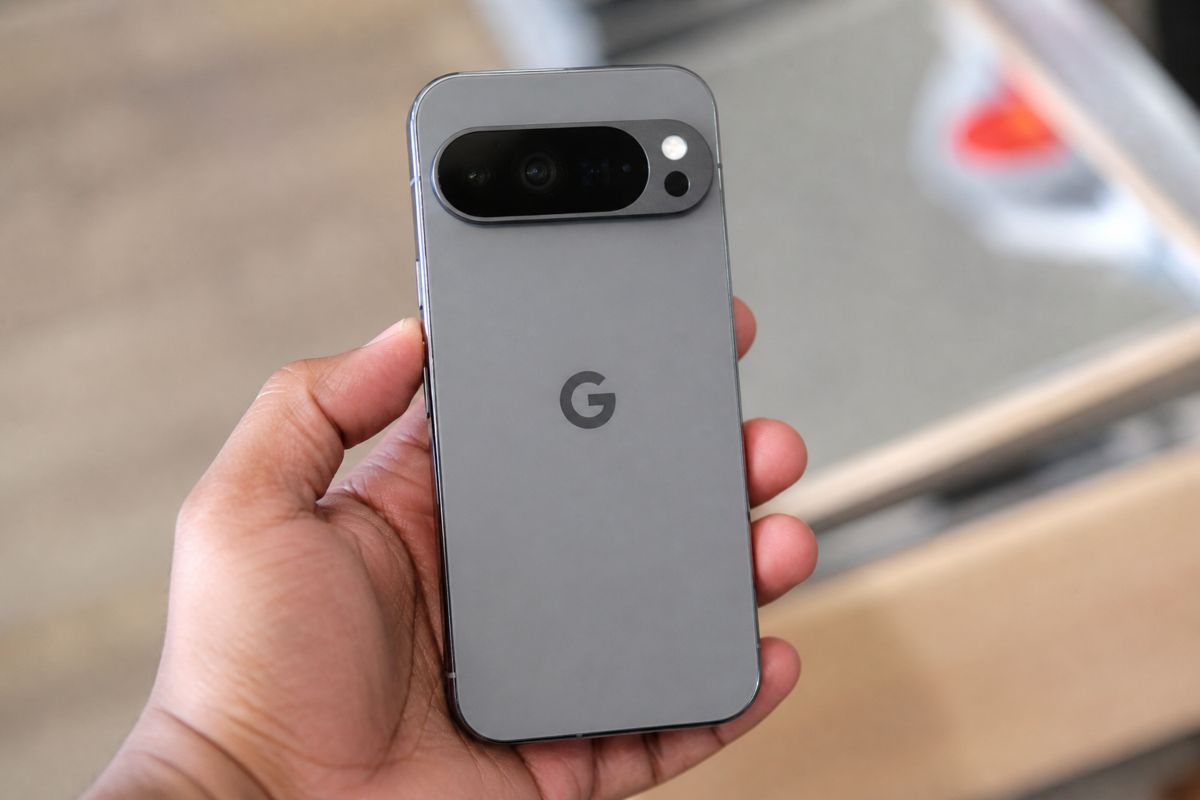
Google has begun rolling out its May 2026 software update for Pixel devices, including the newly released Pixel 10 lineup. While the update is expected to install normally for most users through standard over-the-air downloads, the company is cautioning advanced users about a specific issue tied to manual software flashing on certain Pixel 10 models.
The warning applies to the Pixel 10, Pixel 10 Pro, Pixel 10 Pro XL, and Pixel 10 Pro Fold, according to a notice posted on Google’s factory images support page.
Google Flags Bootloader Change in Pixel 10 Update
Google said the May 2026 update increases the anti-rollback version of the device bootloader, a low-level system component responsible for starting Android during the boot process.
For most consumers in the United States and elsewhere, the update should install automatically without any complications. However, users who manually flash Android builds — a process more common among developers, Android enthusiasts, and repair technicians — could encounter serious problems if they attempt certain downgrade or recovery procedures after installing the update.
How Android Seamless Updates Work
Modern Pixel phones use Android’s “seamless updates” system, which installs software updates in the background while the device remains usable.
The system relies on two partitions, often referred to as active and inactive slots. When a new update arrives, Android installs the software onto the inactive slot. After a reboot, the device switches over to the updated slot while preserving the previous version as a fallback option.
This approach reduces downtime and lowers the risk of failed updates leaving a phone unusable.
Why the May 2026 Pixel Update Could Cause Problems
The issue stems from the updated bootloader included in the May 2026 release.
If a user manually flashes a newer build onto the active slot and the installation fails to boot properly, the phone may attempt to fall back to the inactive slot. However, if that inactive slot still contains the older bootloader version, the mismatch could prevent the device from booting entirely.
In practical terms, that means the phone could become effectively unusable until repaired with more advanced recovery tools.
Google’s warning is primarily aimed at users who manually install factory images or experiment with custom Android builds — activities that remain popular within enthusiast communities in the U.S. and abroad.
Most Pixel Owners Likely Won’t Be Affected
Google emphasized that standard users updating through the normal system update menu should not be concerned.
The vast majority of Pixel owners receive updates automatically through over-the-air installations, which handle partition switching and bootloader updates without requiring user intervention.
The warning mainly applies to users who manually flash software to the active partition while leaving the inactive partition on an older bootloader version.
Similar Google Warning Issued in Previous Years
This is not the first time Google has issued this type of notice for Pixel devices.
In 2025, the company released a similar warning affecting several earlier models, including the Pixel 6, Pixel 6 Pro, Pixel 6a, Pixel 8, Pixel 8 Pro, and Pixel 8a.
Those warnings were also tied to bootloader changes and Android’s seamless update architecture.
Bottom Line for Pixel 10 Users
For everyday Pixel 10 users, the May 2026 update should install normally and improve device security and stability without requiring any additional steps.
Users who manually flash Android software, however, may want to review Google’s updated instructions carefully before modifying system partitions or attempting rollback procedures after installing the latest release.